
The Counselling Cell at IIT Indore is committed to promoting the mental, emotional, and overall well- being of students while supporting their academic journey. Guided by its vision of “Academic excellence with a safe, supportive and inclusive environment for students,” the Cell strives to create a campus culture where students feel comfortable seeking help and expressing their concerns.
The Cell provides a safe, supportive, inclusive, and confidential space for students to seek guidance for academic stress, personal concerns, emotional difficulties, relationship issues, adjustment challenges, and other concerns that may affect their well-being and academic life. Through counselling support, awareness initiatives, preventive programmes, peer support, and wellness activities, the Counselling Cell aims to strengthen resilience, encourage healthy coping strategies, and promote the holistic development of students. It works towards ensuring that every student feels heard, respected, supported, and empowered to thrive both academically and personally.

Get an Appointment:
Ms. Shubhra Vyas,
Ms. Aashka Mistry
Counsellor
Email: dosa@iiti.ac.in
Phone: 0731-660 3320
Email: head-live@iiti.ac.in
Email: vrunda@iiti.ac.in
Email: khate@iiti.ac.in
Email: shraddhau@iiti.ac.in
Email: satyajitbarik@iiti.ac.in
Q. When is counselling relevant for me as a student?
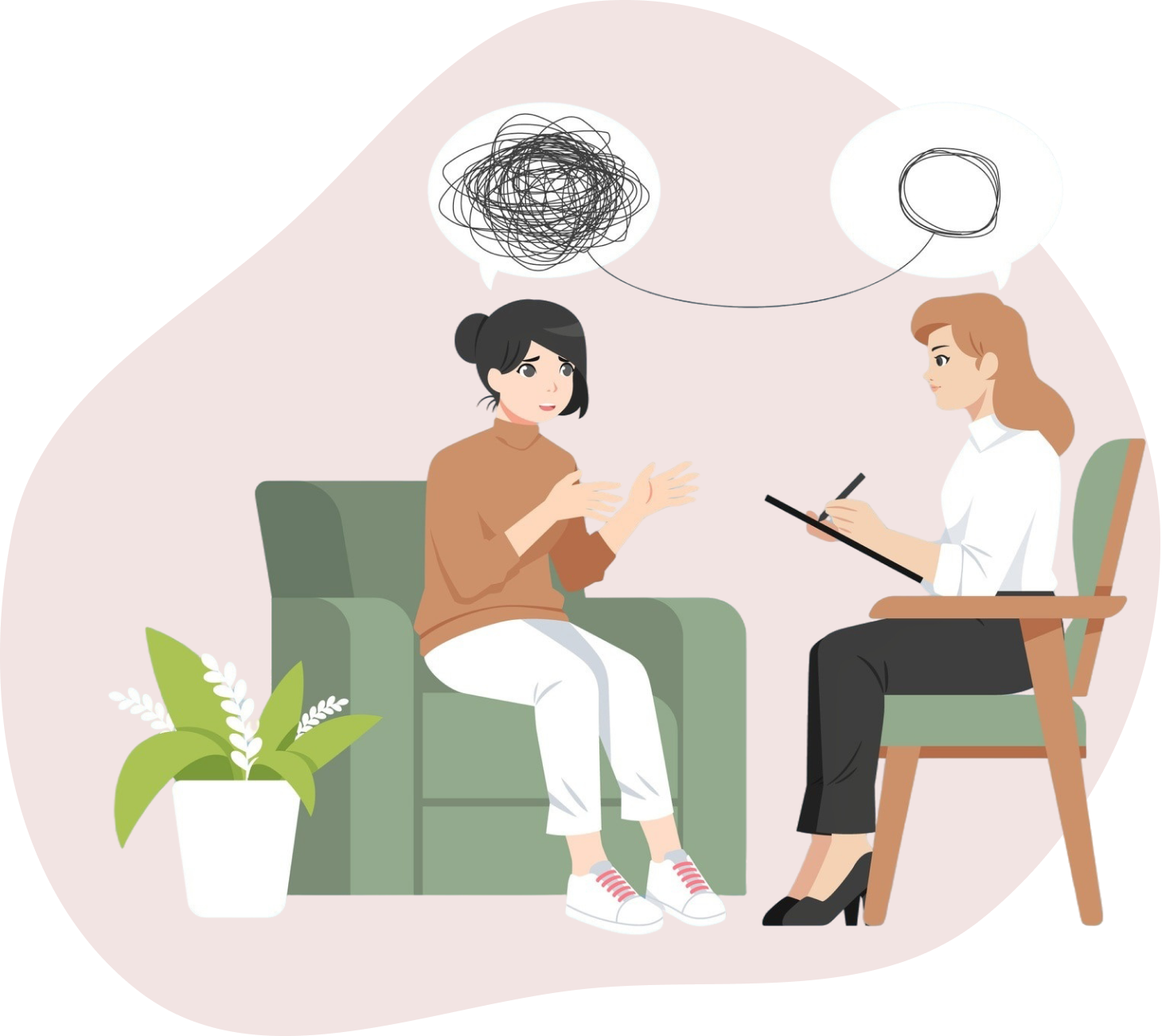
A. Student life can sometimes feel overwhelming due to academic pressure, relationships, personal expectations, or family concerns. While many challenges resolve with time and support, there may be moments when stress feels difficult to manage alone. Counselling can help during such times by providing a safe space to talk, reflect, and explore ways to cope with challenges more effectively.
Q. What support can I expect from a counsellor?
A. A counsellor provides a confidential, non-judgmental space where you can talk openly about your thoughts and feelings. They are trained professionals who help students understand their concerns, manage stress, and develop healthier ways to deal with difficult situations. Whether the issue is recent or something you’ve been struggling with for a while, counselling can help you gain clarity and build coping strategies.
Q. Is talking to a counsellor different from talking to a friend?
A. Talking to friends can be comforting and helpful, and many students find support in their social circles. However, counsellors are trained to help with emotional and psychological concerns and can offer professional guidance and coping techniques. If your concerns continue to feel overwhelming even after sharing with friends, speaking with a counsellor can provide additional support.
Q. Is seeking counselling a sign of weakness?
A. No. Seeking counselling is a positive step toward taking care of your mental and emotional well-being. Many people seek support at different stages of life when facing stress, uncertainty, or personal challenges. Counselling helps you better understand your thoughts and emotions and develop healthier ways to navigate difficulties.
Q. What is Manodarpan?
A. In the wake of the Covid-19 pandemic, the world came to a standstill and its many adverse effects on students led to the Ministry of Human Resources Development (MHRD) and Ministry of Education to launch the ‘Manodarpan’ initiative under Atmanirbhar Bharat Abhiyan to provide psychosocial support to students for their Mental Health and Well-being. It was launched on 21st of July, 2020 and since then, it has remained an active campaign adding to the legacy of government effort in tackling challenges related to mental health on a public level. It was introduced to act as an element of strengthening human capital and increasing productivity in the education sector.
A. The platform includes various different resources that can be accessed by those in need. From national toll free numbers to programmes and online resources, Manodarpan covers every aspect in providing psychosocial help. Some of these reforms, initiatives and programs are:
The Counselling center is involved in student life at the campus through different levels of interactive processes that are all over seen and directed by the counsellor herself.
The Counselling center’s mental health activities focus on early Identification & intervention, as well as prevention of mental health problems of students. Individual counselling sessions are conducted by the counsellor for the students who seek help on their own or are referred. The referrals usually come from Institute Medical officers, and Academic office .The volunteers and Gymkhana members also share mental health concerns of their peers with the counsellor.
For new students and parents the orientation programme itself is the time where the counselling center is introduced and its various functions highlighted by the counsellor. Counsellor herself observes and interacts with new students in the institute and hostel campus in formal and informal settings by visiting them during their labs, tutorials, free slots etc.
The student volunteers of the center and student Gymkhana members also help freshers by extending their helping hand both for academic and non-academic concerns. The center facilitates the peer tutoring classes where students help and each other with academic difficulties in topics.
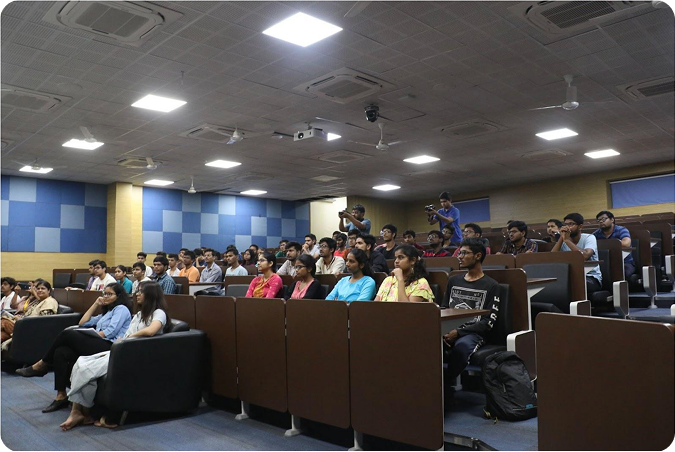
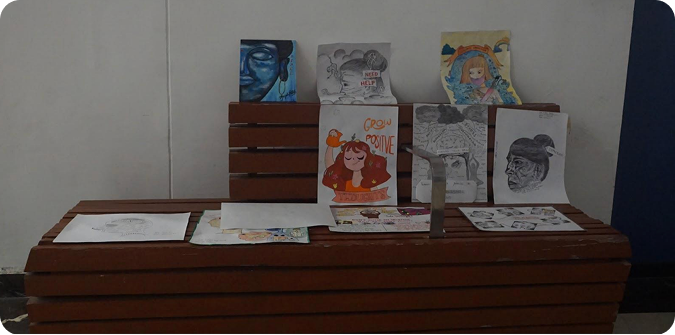
The best performance of a student is usually achieved when the student is not only hard working, sincere and determined to do well but also maintains good physical and psychological health. Numerous factors such as time management, financial problems, family problems, and peer related issues, emotional problems and perceived stress can create obstacles for young people in achieving optimal academic performance. The Faculty advisors or concerned faculty members can refer a student to the Counsellor in case of the following- a) A student is feeling stressed out due to academic , personal, family or any other reasons b) A student is showing signs of emotional or psychological distress Faculty members can play an extremely important role in encouraging the students to seek help when needed. The counselling process is a valuable aid .It facilitates growth and well being. Faculty members’ positive attitude can reduce the stigma related with counselling services. This in turn will help create an environment of flexibility and openness for the students.
It is natural for parents to feel anxious and concerned when their wards leave home for education. Young people, though away from home, still require parents’ continuous involvement, guidance and monitoring. Parents need to be aware of their wards’ overall functioning both academic and non-academic. It is also advisable for parents to seek feedback from the faculty advisors, teachers and/or counsellor. Parents can approach the counsellor for concerns related to their wards. Parents’ feedback to the counsellor facilitates the counselling process and enables the parents and counsellor to work together to optimize the potential of the young person.
West wing, 2nd Floor, Abhinandan Bhawan,
Indian Institute of Technology Indore,
Khandwa Road, Simrol, Indore,
Pin code 453 552, Madhya Pradesh, India