
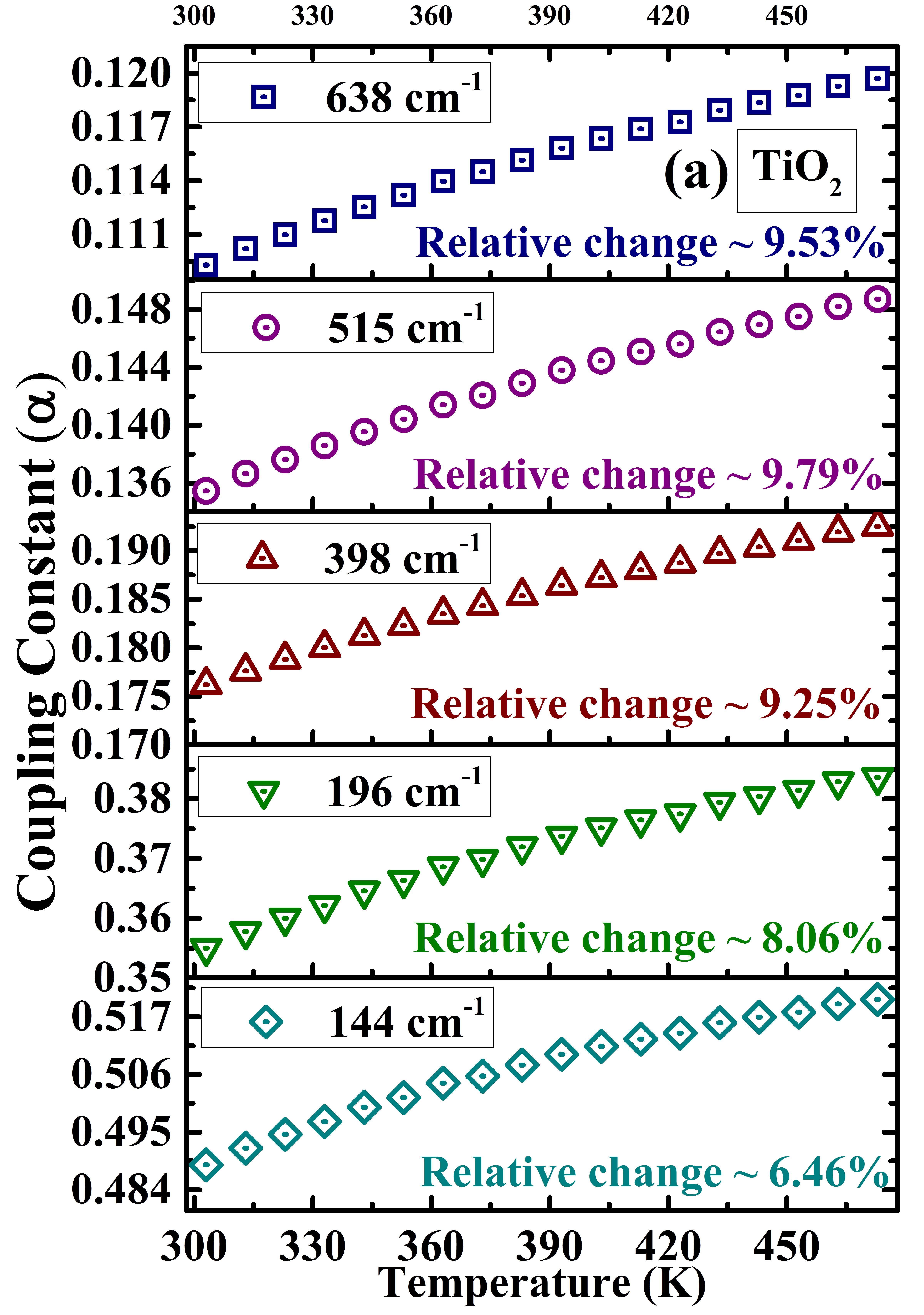
Phonon-mode-specific lattice dynamical coupling of carriers in semiconductors using Raman and optical spectroscopic techniques
The selective contribution of each phonon in electron-phonon coupling (EPC) is of interest, especially, for superconductors, to identify the specific phonon-mode that couples with electrons and gives rise to superconductivity; thus, by exciting only a particular phonon-mode through external perturbation may help to tune the superconducting transition temperature. Furthermore, in the case of semiconductors, the same may be used to tune the transport properties of semiconductors.
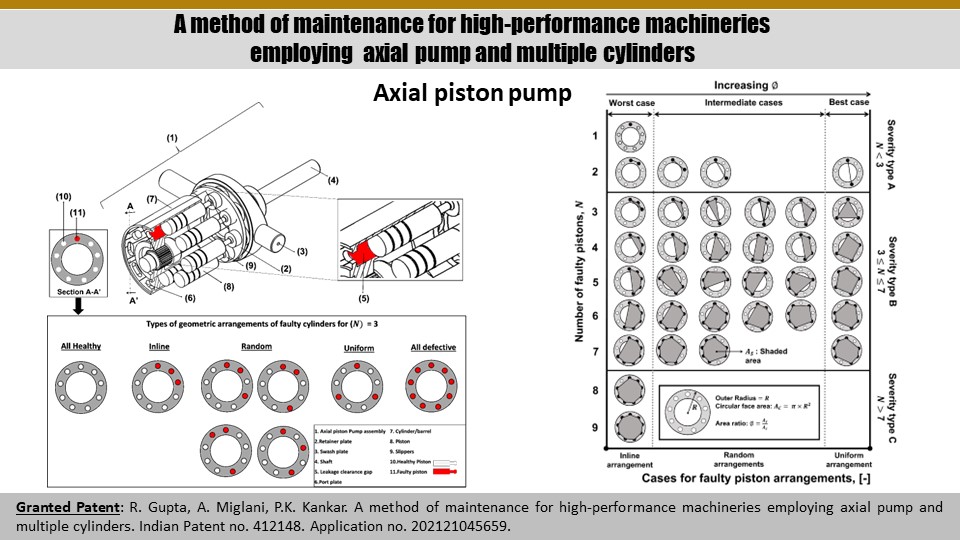
A method of maintenance for high-performance machineries employing axial pump and multiple cylinders
The technology concerns the development of a predictive maintenance strategy for high-pressure axial piston pumps that are used on-board light combat aircraft such as the indigenously developed TEJAS. It helps in identifying the number of faulty cylinders, their arrangement, and the severity of fault, simply by analyzing the discharge pressure signals, and subsequently, proposing the best possible arrangement under faulty conditions. In practice, maintenance personnel can directly adopt this best arrangement to minimize the deterring effects of internal leakage without refurbishing the damaged cylinder. It will reduce maintenance downtime, allow substantial cost savings by reusing damaged parts, and increase the utilization of an otherwise
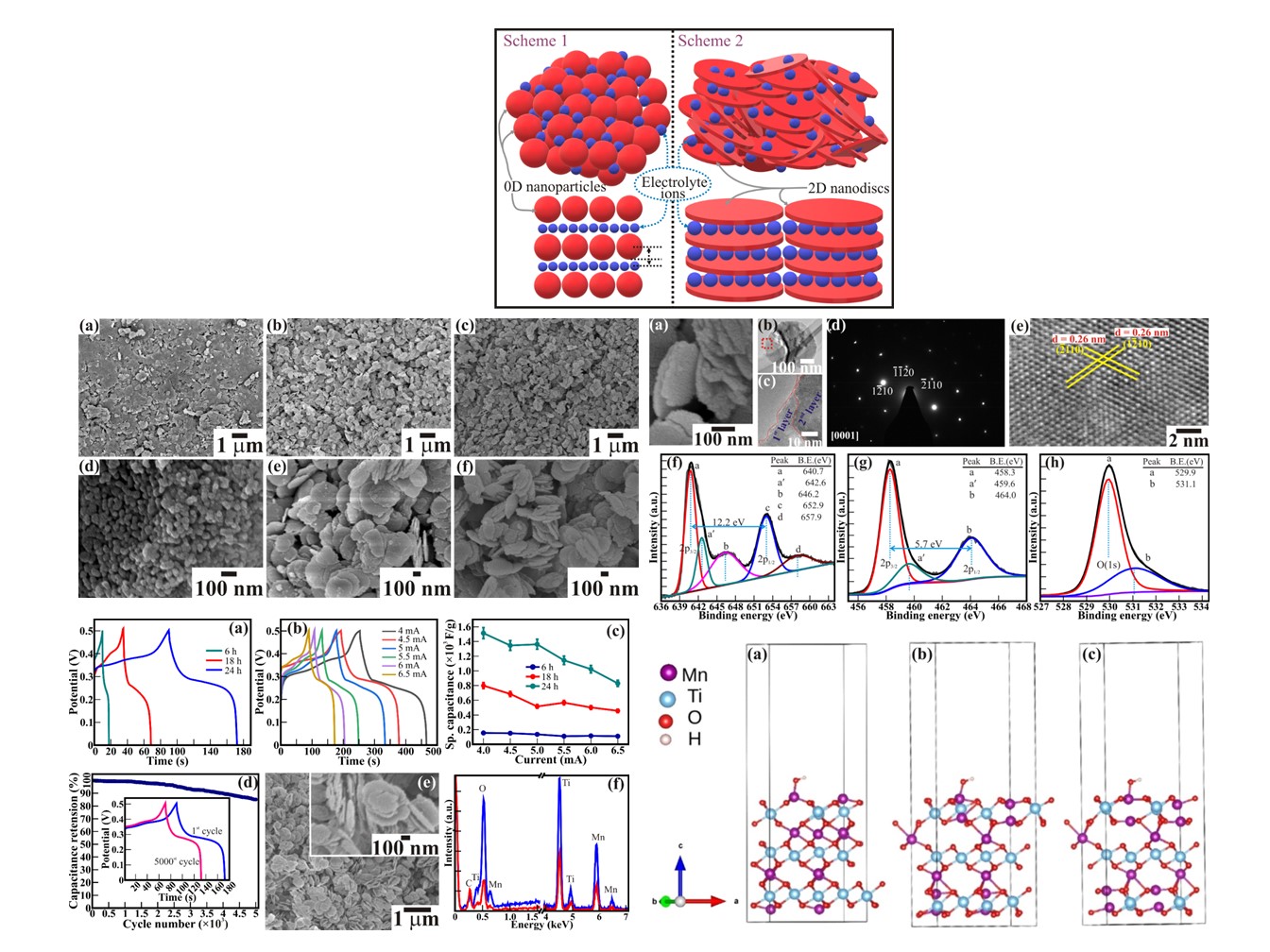
Theory abide experimental investigations on morphology driven enhancement of electrochemical energy storage performance for manganese titanate perovskites electrodes
One of the most critical challenges in the field of supercapacitors is the enhancement in energy density, specific capacitance, and cycling stability. The current problem of their relatively low performance can be effectively addressed by driving the novel morphologies of electrode materials. Our work highlights how the ultrathin 2D morphologies of MnTiO3 perovskites provided relatively larger access for ions to diffuse deep inside and delivered excellent energy storage performance as the electrode for electrochemical supercapacitor.
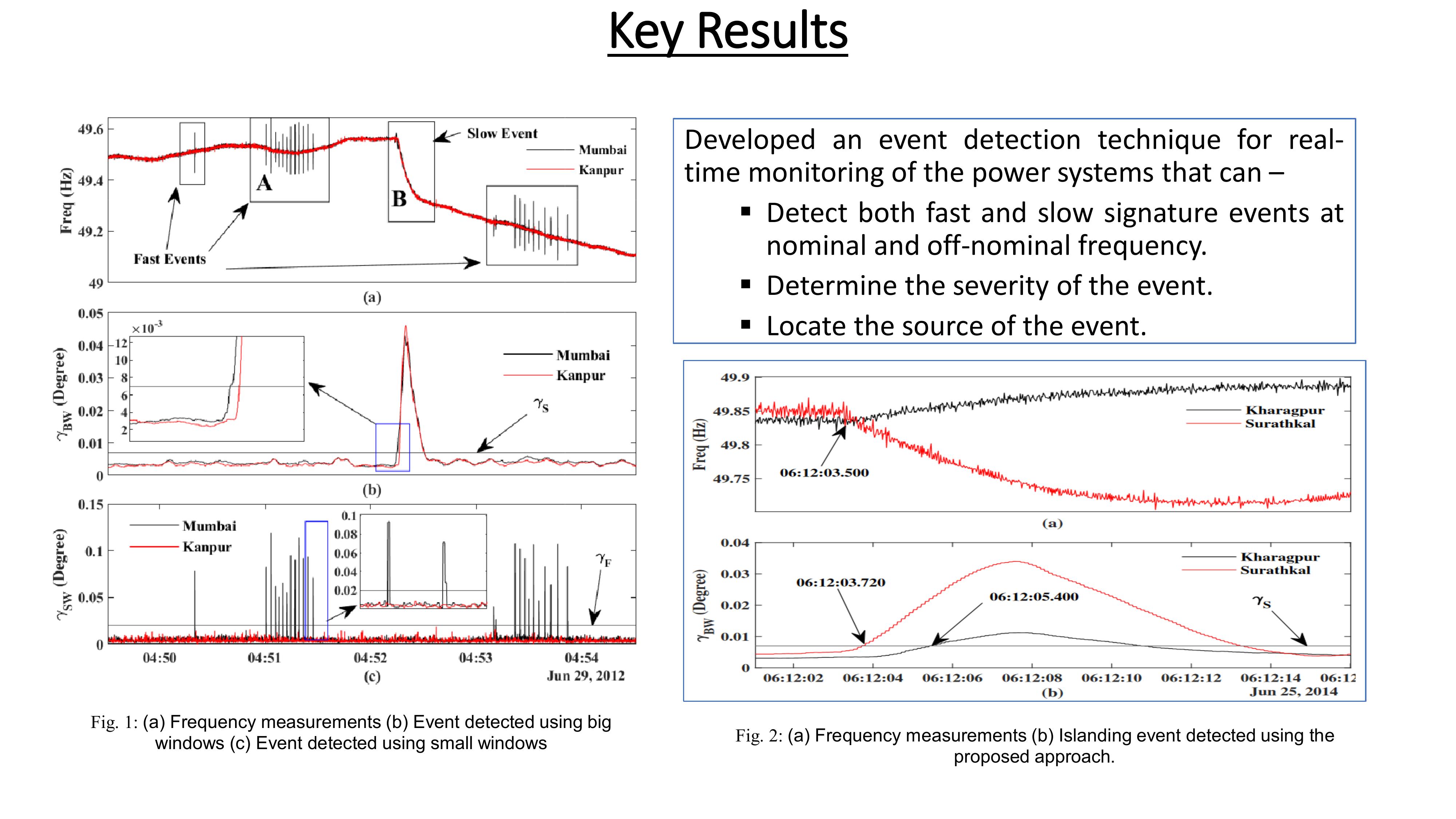
Real-time event detection based on Weibull distribution using synchrophasor measurements for enhanced situational awareness
A computationally efficient real-time event detection method in power systems utilizing frequency measurements obtained from Phasor Measurement Units (PMUs). The novel benefits of the proposed method is that it can identify the time of inception, location, and severity of the event in near real-time using only a single parameter, known as variability. It detects event with low latency, immune to missing measurements due to communication error and can tolerate network delays up to 90 ms. Additionally, the results showed that the propsoed method offers no instances of misdetection or false detection whereas the existing methods are found prone to misdetection, delayed detection and false detection. It is validated for the Indian as well as the North American grid disturbances.
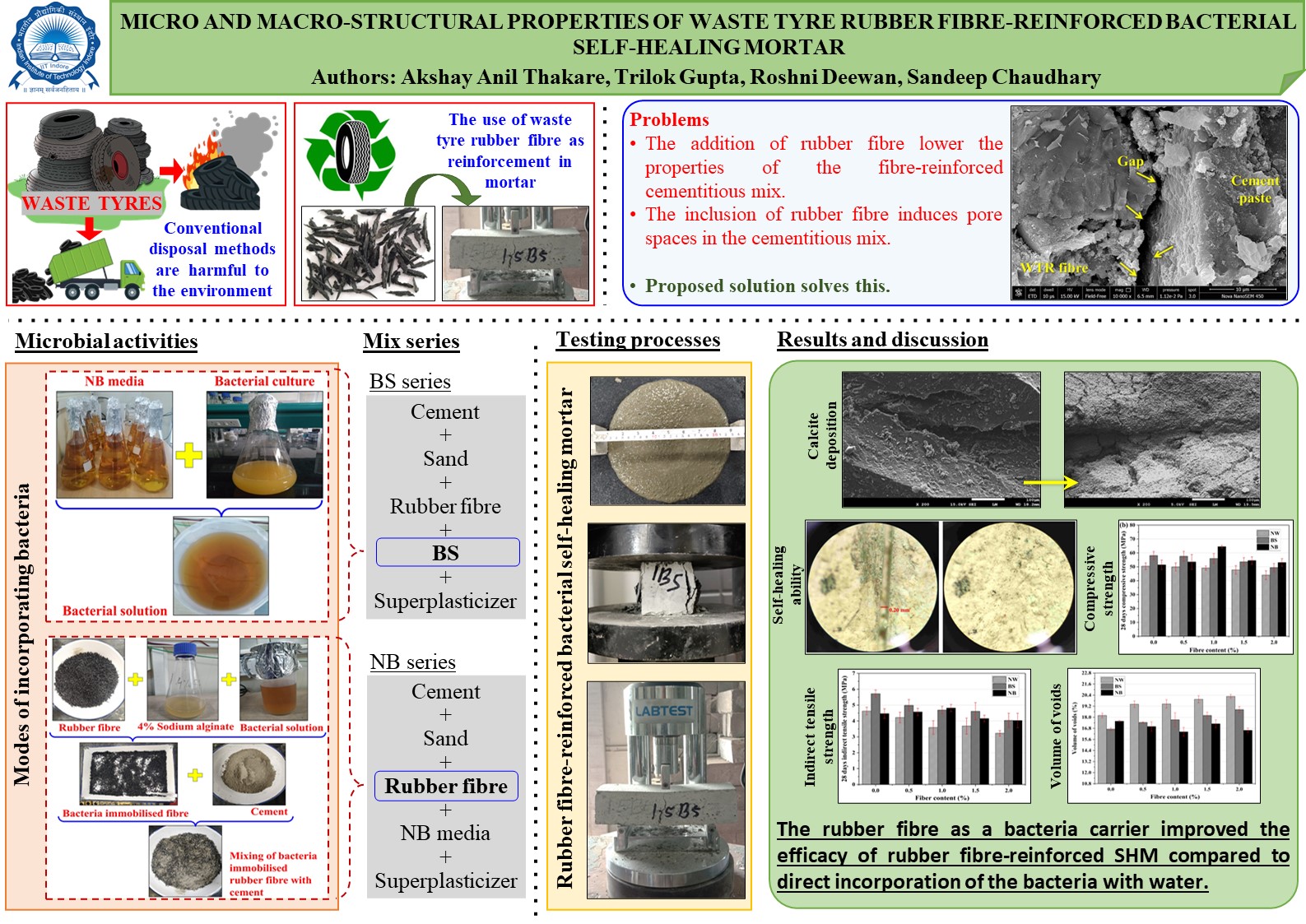
Micro and Macro-Structural Properties of Waste Tyre Rubber Fibre-Reinforced Bacterial Self-Healing Mortar
The efficacy of waste tyre rubber fibre-reinforced self compacting mortar has increased, paving the way for an environmentally friendly, crack-free and workable mortar with better microstructure properties and mechanical and durability properties than conventional mortar. For construction applications, one can use bacteria-immobilized WTR fibre-reinforced self compacting mortar to prepare precast concrete elements, Ferro-cement structures, engineered cementitious composite elements, and high-performance concrete structures. The proposed mortar will be of great use for critical large-span heavily reinforced structures requiring high strength, long durability and crack-free surfaces.
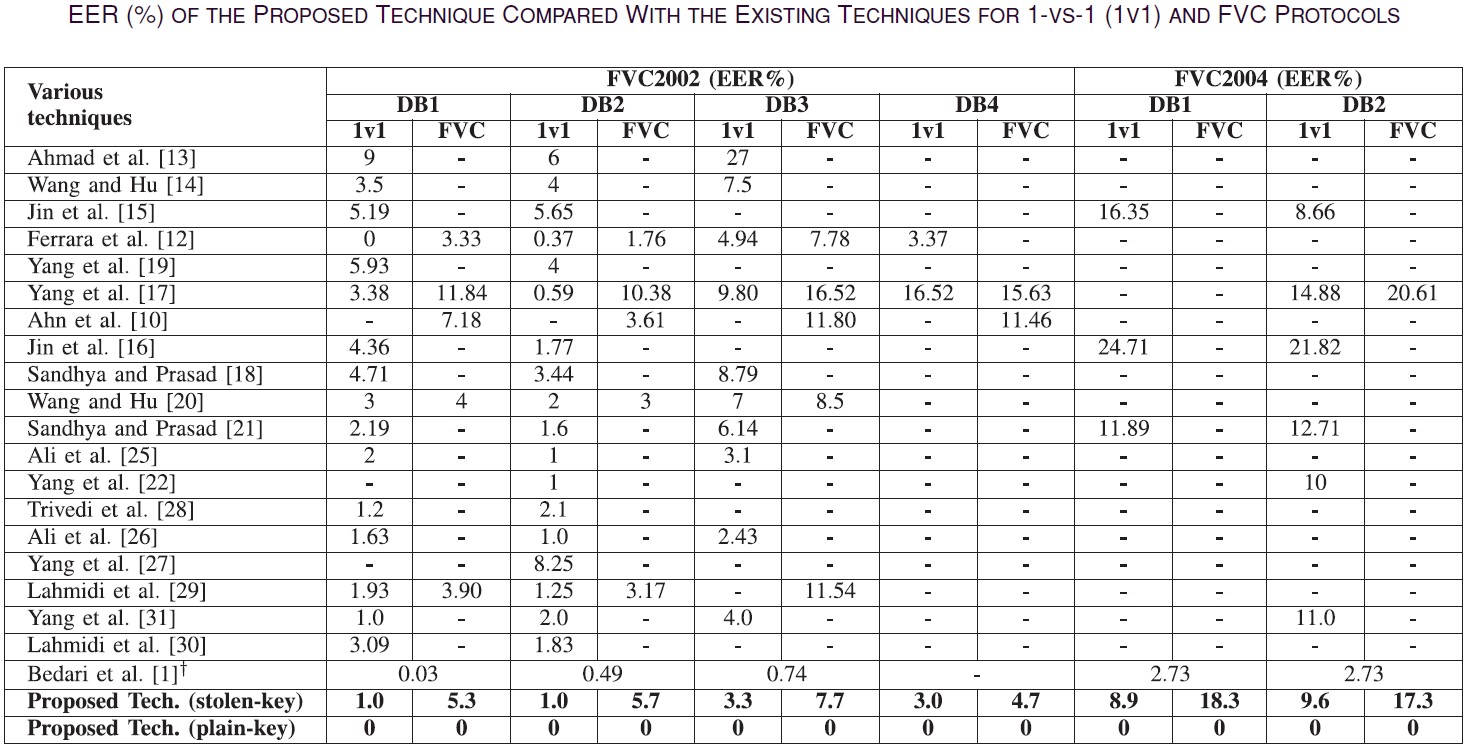
Adaptation of Pair-Polar Structures to Compute a Secure and Alignment-Free Fingerprint Template
In order to protect the fingerprint template used in biometric devices, this paper proposes a noninvertible and alignment-free fingerprint template protection technique by exploiting the pair-polar minutiae structures. In the proposed technique, a secure fingerprint template is generated in the form of a set of binary vectors. These vectors are computed from the many-to-one mapping of the transformed pair-polar coordinates into a 3-D grid. Results of the proposed technique are analysed in terms of revocability, unlinkability, security, and performance on six publicly available databases of fingerprint verification competition 2002 and 2004. The overall analysis of the results clearly shows the effectiveness of the proposed technique as compared to the existing state-of-the-art techniques.

Machine Learning Aided Interpretable Approach for Single Nucleotide-Based DNA Sequencing using a Model Nanopore
Solid-state nanopore-based electrical detection of DNA nucleotides with the quantum tunneling technique has emerged as a powerful next-generation sequencing technology strategy. However, inherent experimental complexity has been a foremost obstacle in achieving a more accurate high-throughput analysis with industrial scalability. In this work, using machine learning model, we have successfully predicted fingerprint transmission function for all other unknown nucleotides. It is a new direction in the field of single-molecule DNA sequencing with quantum-transport studies that have the potential to remarkably reduce the expensive and tedious experimental process.